


It is mid-September in Vantaa, Finland. Vantaa is the country's fourth-largest and most multicultural city, just outside Helsinki.
I stand in front of Kytöpuisto Comprehensive School in the Havukoski neighborhood with a group of Americans.
It is so warm and sunny that people are taking off their puffy jackets and pulling out their sunglasses. I react as any Finn would: I overexplain that this kind of weather is abnormal, that weather this nice at this time of year is an anomaly. (But, on a side note, sadly, I guess that’s what we all should get used to saying: abnormal as the new normal.)
I see amused looks. On our prep calls, we emphasized time and time again to bring layers for this trip to the Nordics. ”The weather can be whatever.”
We stroll from the school through a yard between utilitarian housing blocks and cross the road to an industrial facility next to a gas station. A young woman in a protective helmet and vest wrestles with a jammed door for a moment, then greets us warmly to HALO House.
Roza Ahmad works for the We Foundation as a House Manager. The We Foundation is a Finnish philanthropy focused on hobbies and reducing segregation. The foundation is building a hobby space here in Havukoski, one of Finland’s most multicultural and most underinvested neighborhoods, in collaboration with the City of Vantaa.
Roza tells the expeditioners that the project's inspiration comes from a street culture space in Denmark, the delegation’s next stop. The big idea here is that you don’t need to sign up for a class; you just come in when you want, even without a plan what you wish to do today. All that is required is a membership, which is free of charge.
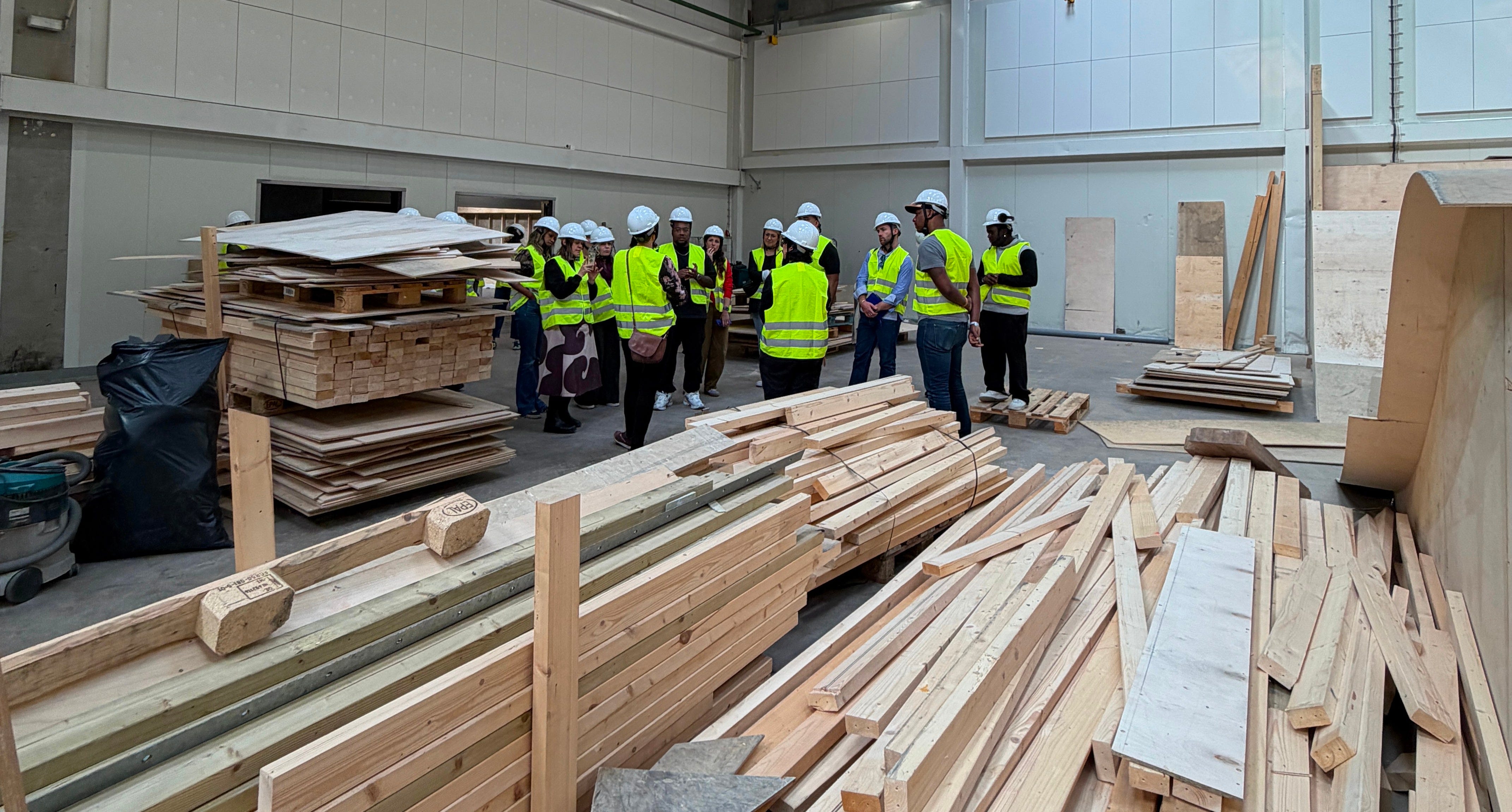
We follow her instructions and put on helmets and vests. This is still a construction site. Roza, a former breakdancer, guides us through the space, pointing out the future dance studio, skateboarding hall, craft room, music studios, kitchen, and lounge area. She explains that one space will be for pop-up functions chosen by youth as their interests change, often rapidly. The first one in the pop-up space will be a barber shop. “They are really into fades now.”

Bridging the Data Gap - With Youth
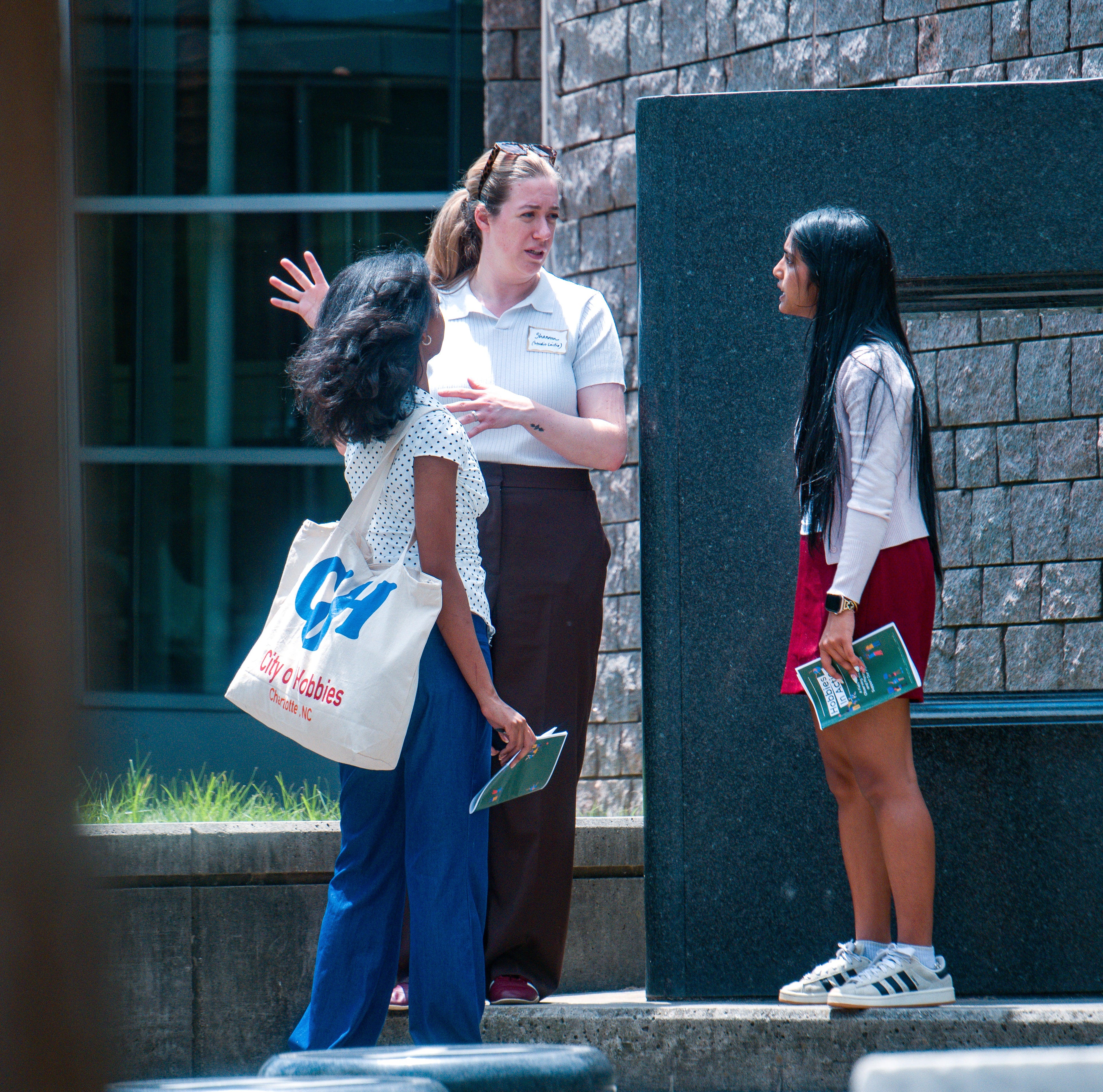
The trip was part of Studio Laitio’s engagement with The Gambrell Foundation, a private philanthropy from Charlotte. This was the fourth trip to Helsinki. As a result of these trips, we have worked for a few years now on the idea of hobbies as a vital component of a great life.
We ramped up our hobbies work last year starting a large scale initiative called City of Hobbies. With local partners, we are building new understanding of what young people want, digging deeper into local obstacles and opportunities, and turning those insights into action within the same year.
We at Studio Laitio lead the coalition, which includes the design firm Gehl, UNC Charlotte Urban Institute, My Brother’s Keeper Charlotte-Mecklenburg, Do Greater Charlotte, GenerationNation, Communities in Schools of Charlotte-Mecklenburg, City of Charlotte’s Urban Design Center, Charlotte Mecklenburg Library, and the Park and Recreation Department of Mecklenburg County.
When we were building the project, one of things that inspired our funder and partners from Finland was the systematic data practice of regularly surveying young people on what they want. In our desk research of the US, we discovered that the existing data on afterschool programs was mostly on what parents want or feedback from young people participating in existing programs. This is valuable, sure, but it really does not capture young people’s voice.
We wanted to bridge this data gap. So during this spring and summer, UNC Charlotte’s Urban Institute has surveyed nearly 19,000 children and youth on what they wish to do in their free time. The survey was done together with Charlotte Mecklenburg Schools as part of a larger school wellbeing survey. We believe this is one of the largest, if not the largest, systematic survey on hobbies in U.S. city.
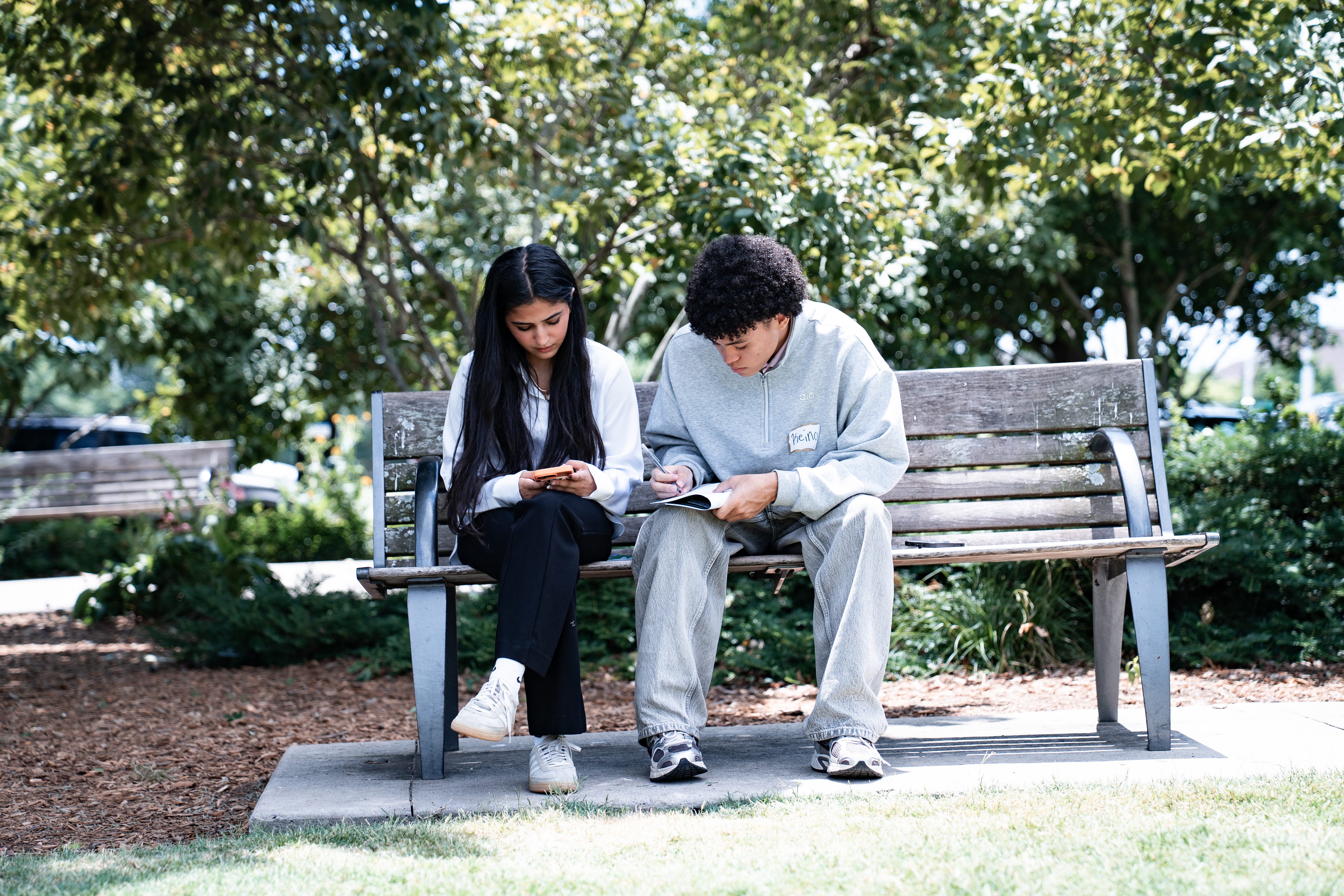
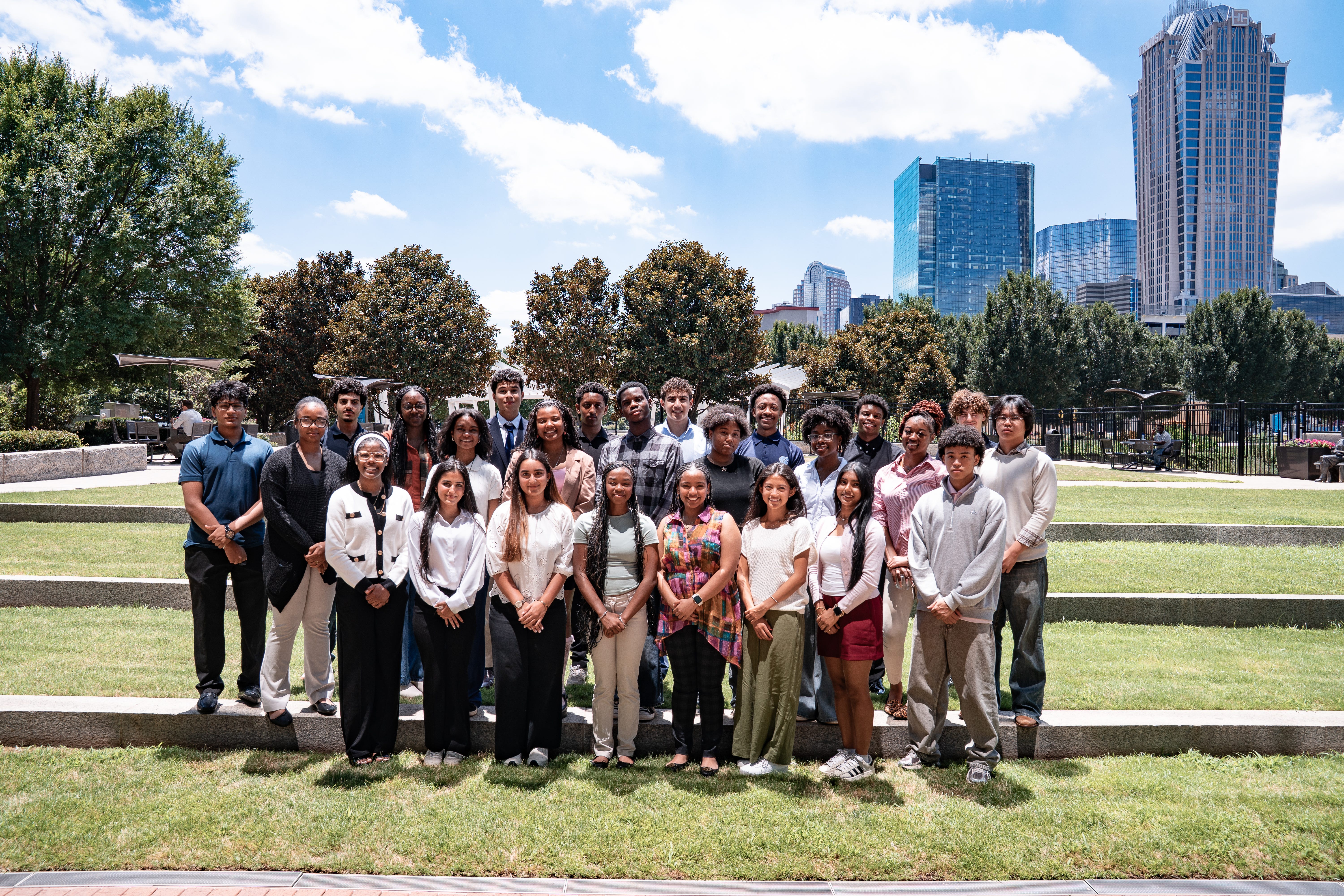
But surveys get us only so far. So together with local nonprofits we recruited 30 high schoolers to work with us over the summer. The Youth Fellows, selected from over 600 applicants, were trained by Charlotte Urban Institute on interview techniques. They conducted 100 qualitative interviews with youth, hobbyists and decision makers. They were also trained by Gehl on public space observation and observed 60 public and commercial spaces on how they work for hobbies.
Importantly, the Youth Fellows are paid for their working hours.
Lead with Hobbies
I have done my entire career on hobbies, on the question of what would make people open their front door and join public life.
In Finland, hobbies are a given, partisan issue, which you do not need to justify. Working on hobbies in the US has meant that we have faced some skepticism. As our funder Sally Gambrell Bridgford points out in this article, she and we have faced questions whether focusing on hobbies is trivial, a tone-deaf luxury investment. Or whether the word hobby should be changed into something more serious.
Sally found confidence from seeing how things work in the Nordics and reaching out to the community. She says in the Charlotte Optimist interview:
“The number one group that pushed for hobbies in Charlotte were the Black churches. They wanted their kids to have a rich and rounded experience.”
For me, hope and confidence in this work stems from been inviting young people into our team and taking them seriously. Working with them has built our confidence to move full speed forward with hobbies. Many of them said how incredible it is to work on something positive.
Just watch the full conversation I had with Sofia, Lee, Sai, Marsebel, and Ava from our Youth Fellows team as we were starting the work. Four days in, they understood that hobbies can generate benefits like safety or academic achievement but love the feeling that their joy, even happiness, matters. As we have continued the work, they keep surprising us with their interests, meaning their hobbies. Their qualitative coding of interview data is stellar.
We are doing our first community shareout on October 21 in Charlotte and sharing results after that more publicly.
This work just got more relevant as UNC Charlotte’s Urban Institute (our research partner) published the results of the Carolinas Regional Explorer, a large survey on how residents feel about great life. This work was funded also by The Gambrell Foundation, the funder of our hobbies work. According to the results, people in Mecklenburg County are slightly more satisfied in their life than Americans in general. But only 27 percent of the respondents are optimistic about the future.
This is where hobbies can come in. They don’t take all your problems away but they build connections, sense of achievement and make you feel you. They remind you what makes life worth living and that there are things you can build with others.
Without giving too much away, analyzing the coded research data of the Youth Fellows has made me confident that we can make a significant and tangible improvement in young people’s hopefulness and sense of belonging with a modest investment. But it’s also clear that success in hobbies requires a systems approach. It’s nonprofits providing opportunities young people want but it is also library opening hours and public transportation. It is recognizing that we don’t all want the same. It requires collaboration. It requires data. It means working both on supply and demand.
And we should not forget fun.
More to come.