2025 Book Recommendations
I read 36 books this year. For new perspectives on coexistence, I would recommend these ten.

I read 36 books in 2025. That number, being lower than I hoped, signals that some months were too hectic to read. Reading is my go-to stress test: does my brain allow me to focus on reading fiction?
I usually have three books in progress: one non-fiction, one fiction and one audiobook.
Here are 10 books that opened something new in me. They are in no particular order and they range from new releases from bookstores to old classics from libraries or second hand book stores.
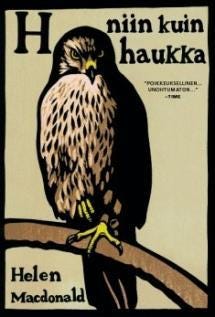
Helen Macdonald: H is for Hawk (2014)
I got this years ago as a reviewers’ copy from its Finnish publisher Gummerus years ago and have wanted to read this for a long time. It reminded me of two things. First, it reminded how animals can help us deal with emotions caused by human beings. In youth work, we often see how taking care of a horse or a cat can help a young person with anxiety or how reading to a dog helped kids overcome the fear of making mistakes (dogs judge less than people). Second, Macdonald illustrates that grief is not a straight line but more like an unpredictable sea where a wave of sadness might knock you out with no prior warning. This book is a story of the danger and wonder of training a goshawk. And like always in great literature: the author does not portray herself in an entirely positive light but comes across as a faulty human being like all of us.
Alain de Botton: The Architecture of Happiness (2006)
I found this book at one of my favorite booksellers, Bart’s Books in Ojai. de Botton is a master in turning complicated matters into something that seems obvious and simple, even inevitable. The book is a compelling argument for high quality architecture - and beauty - and how the choices we make in design and architecture communicate our shared values. I read this just before I facilitated the competition workshops for Finland’s new Museum of Architecture and Design and really helped me bridge the views on the museum’s societal intentions and the aspirations for architectural quality.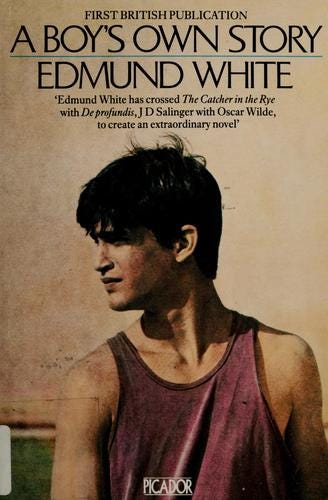
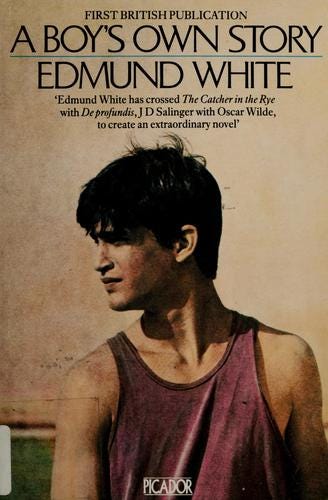
Edmund White: A Boy’s Own Story (1982)
It seemed fitting to read this at the pool in Palm Springs, an urban mecca for LGBTQ+ community. As a pure coincidence, White passed away last year. The novel takes you right back to the flood gates that open in adolescent sexual awakening. You simultaneously long for that time and feel overflowing compassion, even concern, for teens. It is a reminder how being a teen is one of the hardest stages in life and why we need to provide both boundaries and opportunities to make mistakes.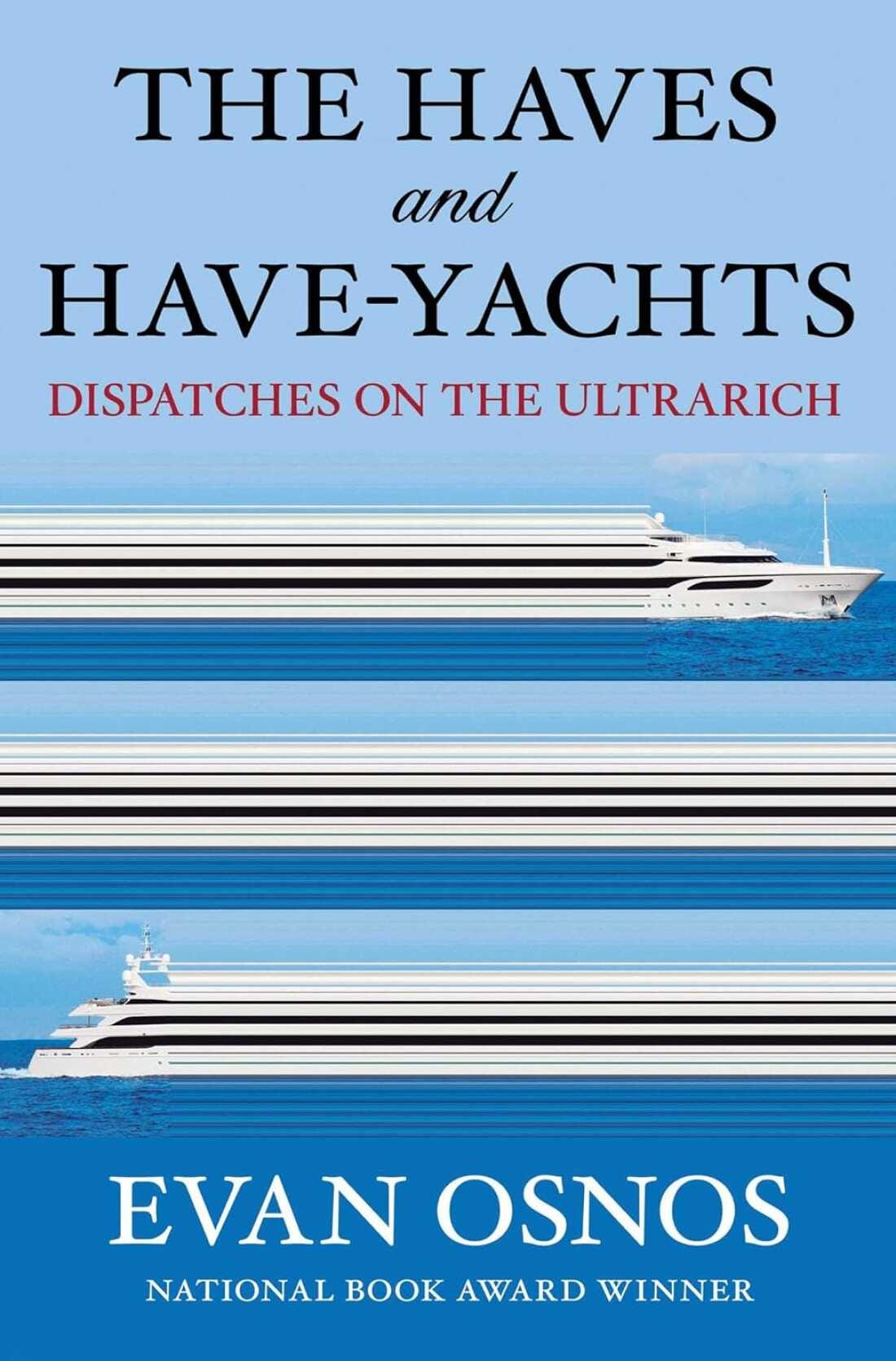
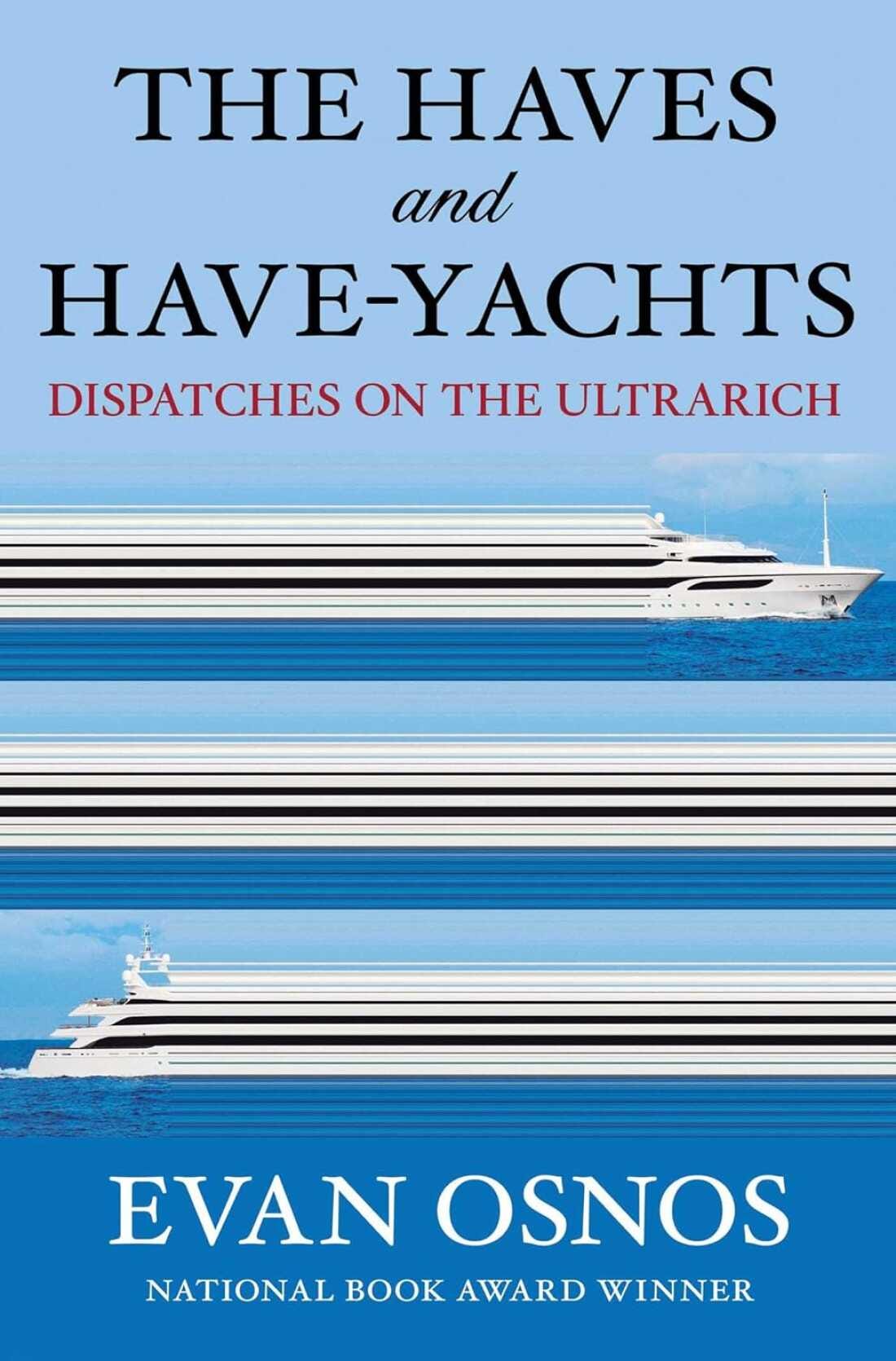
Evan Osnos: The Haves and the Have-Yachts (2025)
Next to having one of the most brilliant names for an essay collection, Osnos, an award-winning journalist for the New Yorker, helps us understand the head space and logic of the (mostly North American) über rich and how their choices are impacting the rest of us. He writes interviews Mark Zuckerberg, explains the logic of yacht purchases, dives deep into corporate taxation loopholes and unpacks why rich people invest in bunkers. With journalistic excellence and rigor, he drove me into asking: what would be the incentives and experiences that would motivate more of the wealthiest in our new gilded age to invest in government innovation than building bunkers and ramping up personal security?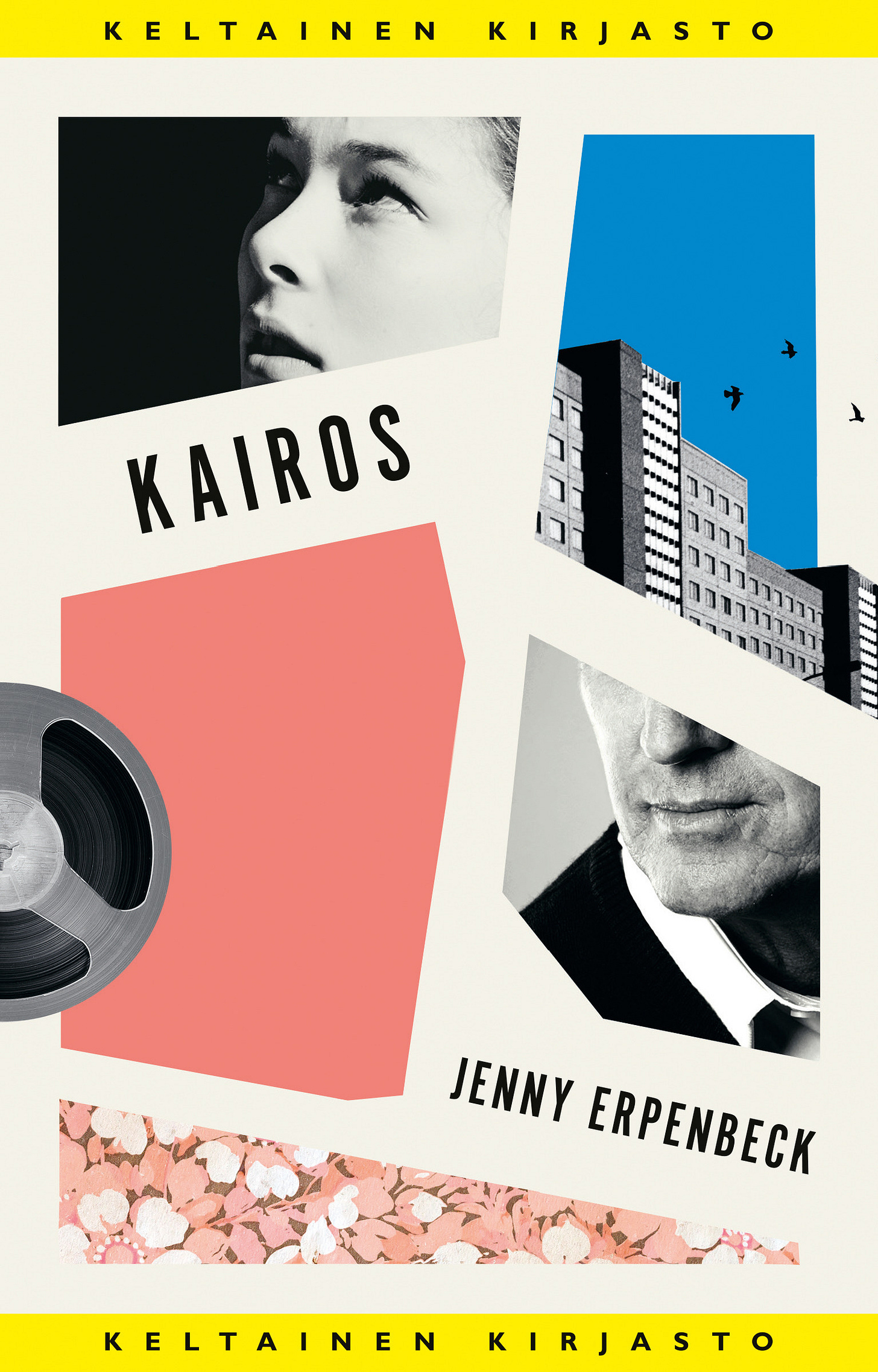
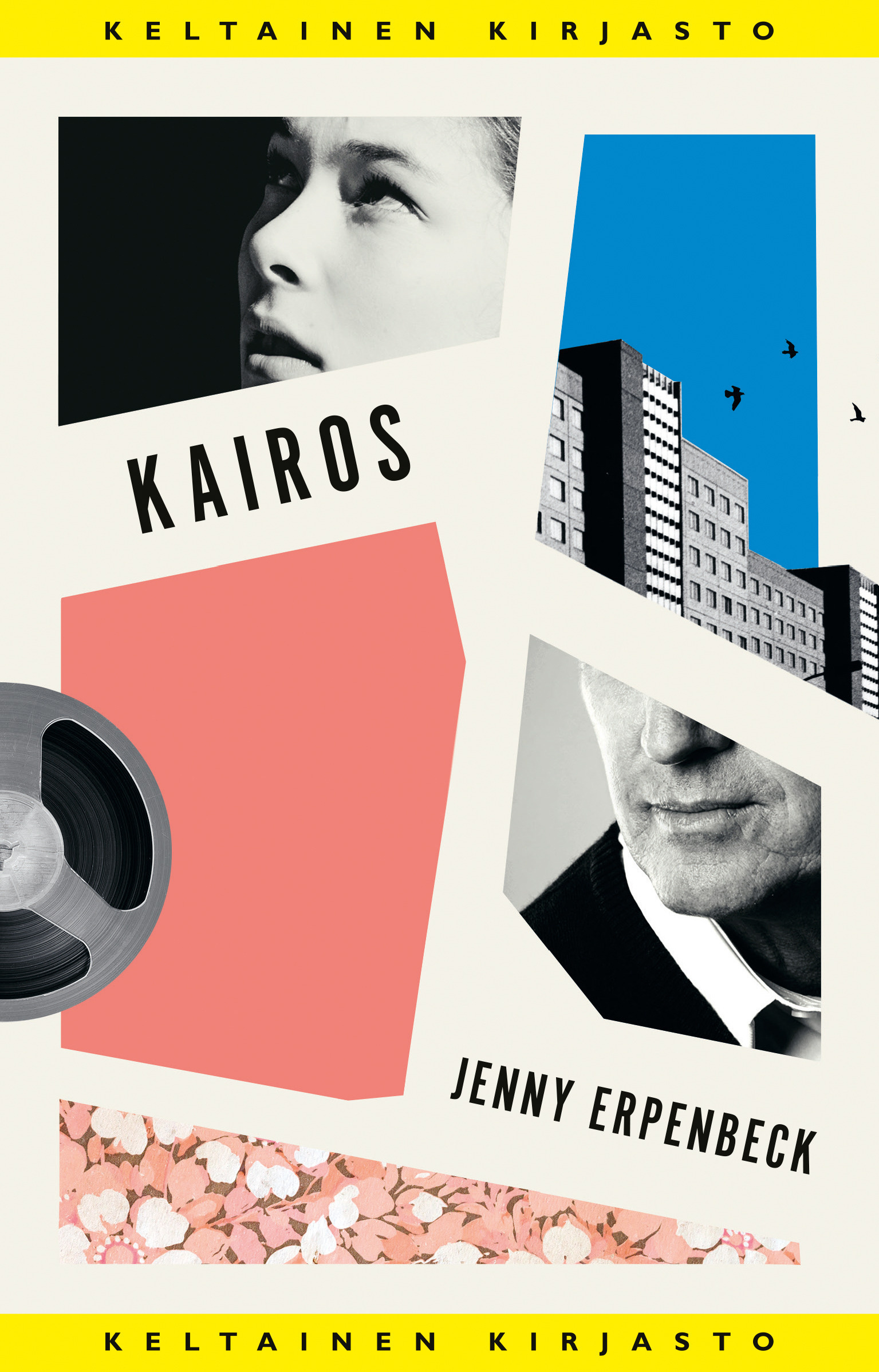
Jenny Erpenbeck: Kairos (2021)
This Booker-winning German novel is a love story of a young woman and a much older man where all the warning signs are there before it seems to be too late to correct course. As a story taking place in East Germany before German reunification, it is a reminder that when the Wall came down, the story was not purely about liberation but also about a loss of identity, predictability, status and conviction.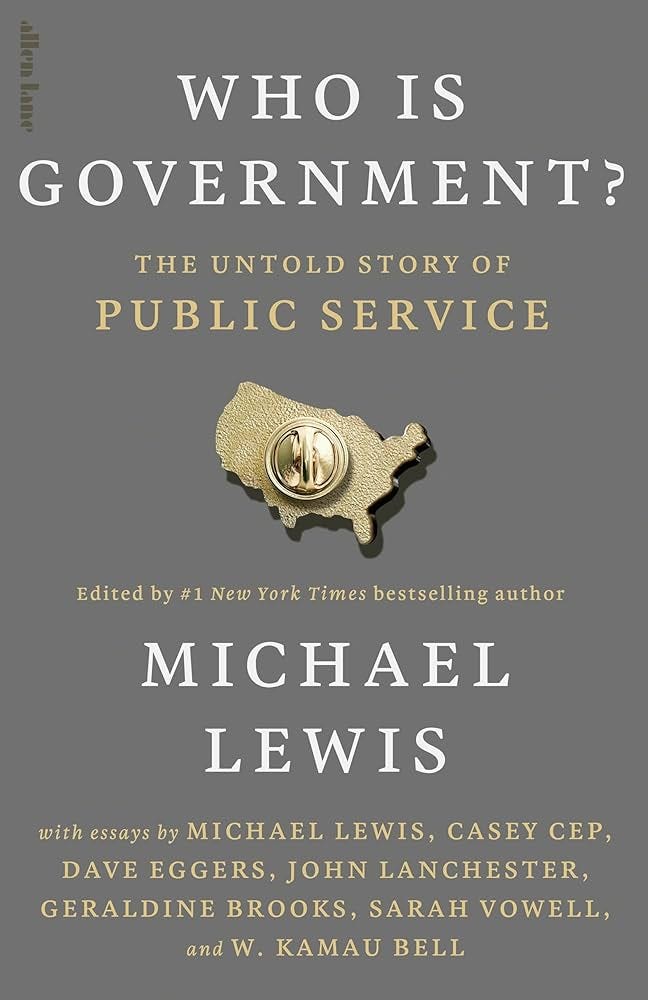
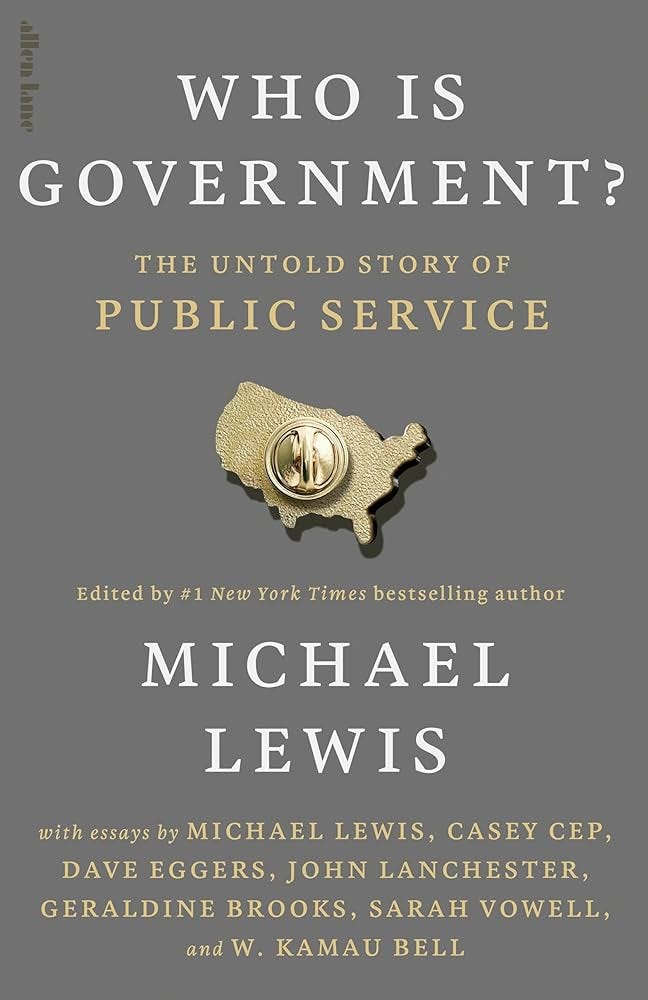
Michael Lewis (edited): Who Is Government? (2025)
If you don’t take my word on the awesomeness of this book, listen to Barack Obama who highlighted this in his summer reads of 2025. Lewis and other novelists write long form essays on public servants doing incredibly valuable and life changing work in different parts and levels of American government. I was moved to tears by the essay on the pride and drive for excellence of Ronald Walters, the man who has led National Cemeteries into one of the most praised organizations in the United States. This book builds hope.
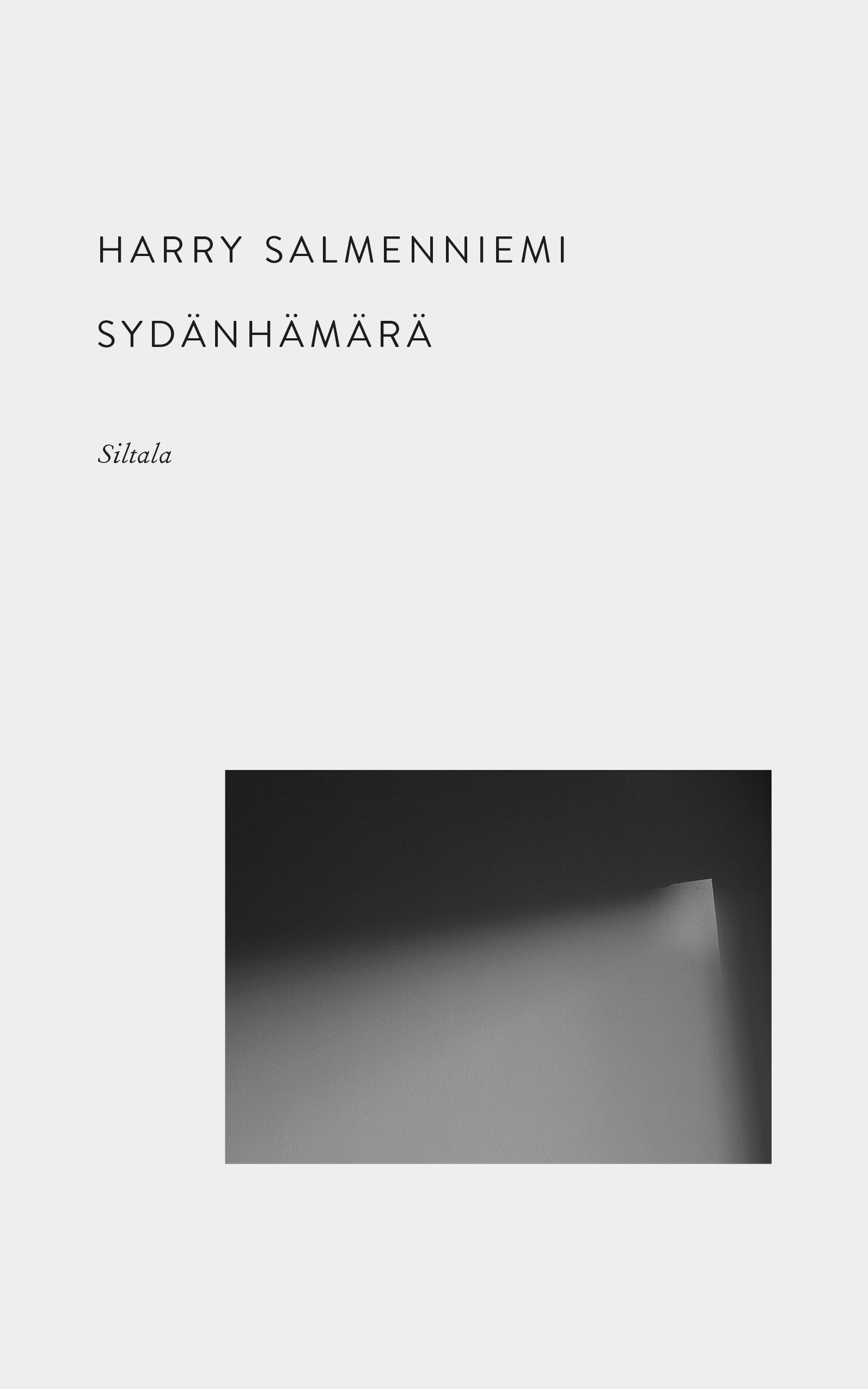
Harry Salmenniemi: Sydänhämärä (in Finnish) (2024)
My life nowadays is 90 percent in English. Over the last year, I have had several occasions where I crave for my own language. I bought this as a response to the craving last summer in Finland. It hit me harder than I expected. Salmenniemi writes about the emotions of a parent when they are about to have their second child and their firstborn falls critically ill. For someone who does not have children, Salmenniemi helped me understand the depth of commitment and love, the mundane and the boring, the sacrifice and the sense of helplessness. The way he wrote about hospitals reminded me a bit of Garth Greenwell’s Small Rain, a novel I absolutely adore.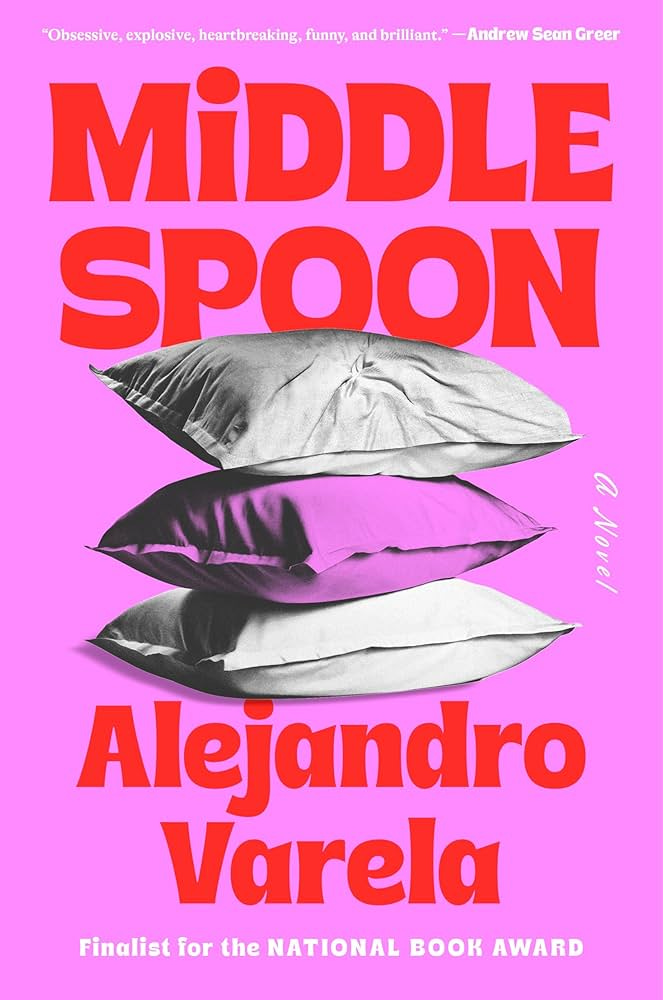
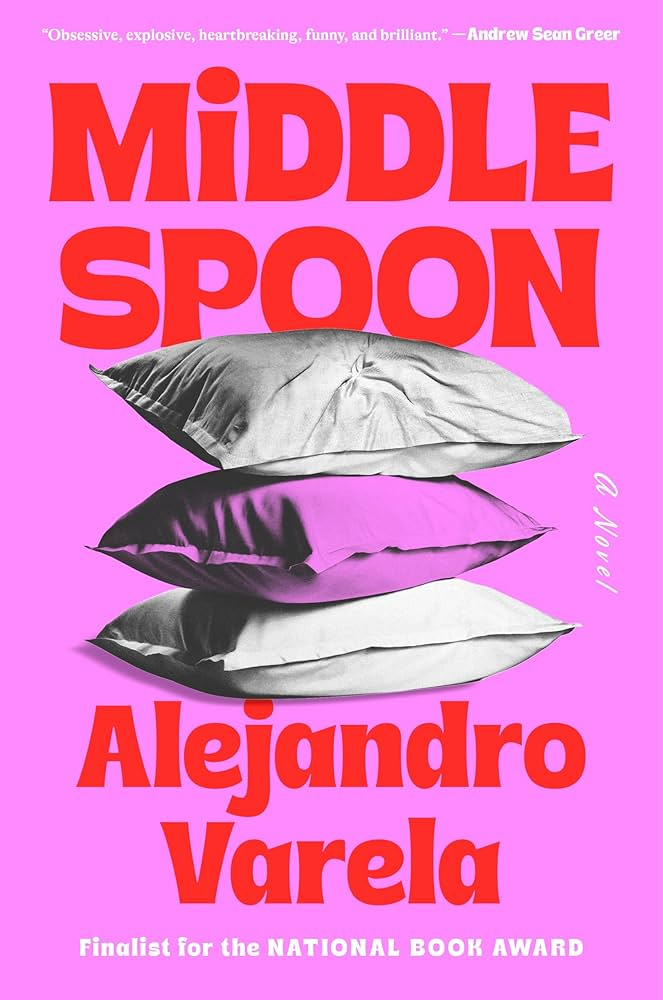
Alejandro Varela: Middle Spoon (2025)
I have read Varela’s two previous books, The Town of Babylon and The People Who Report More Stress. His books are cheeky, smart and sexy. There is a level of relatability in how he writes about being an aging gay man with an additional layer of being a brown educated man in America. In his latest book, a happily married middle-aged gay man in an open marriage is dumped by his much younger boyfriend. As the protagonist manically writes to the boyfriend in the hope of a reaction, he also feels that the people around him reduce this loss into a recovery from a fling. For us in traditional marriages, the book is a great reminder of the plurality of today’s relationship structures.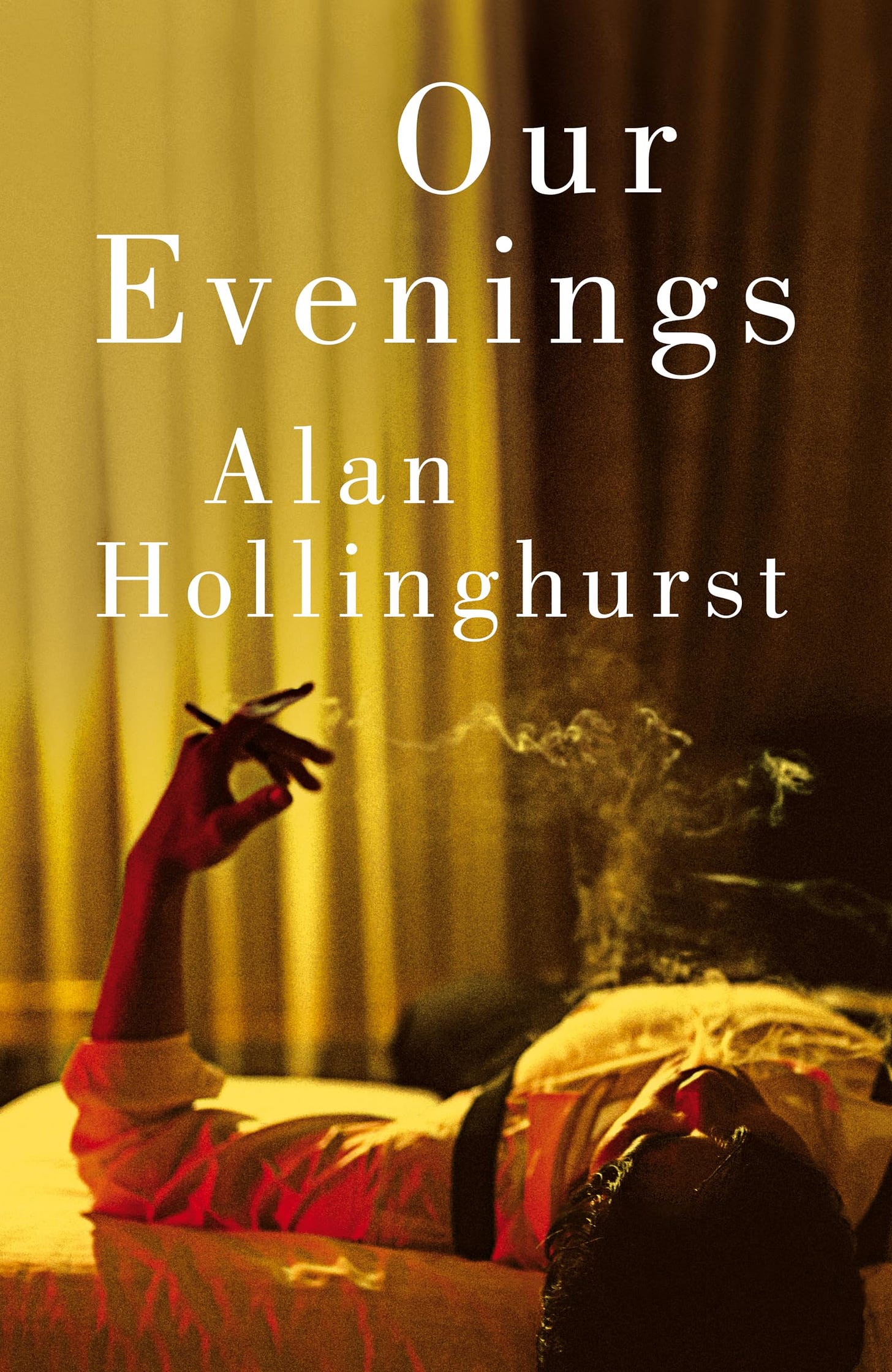
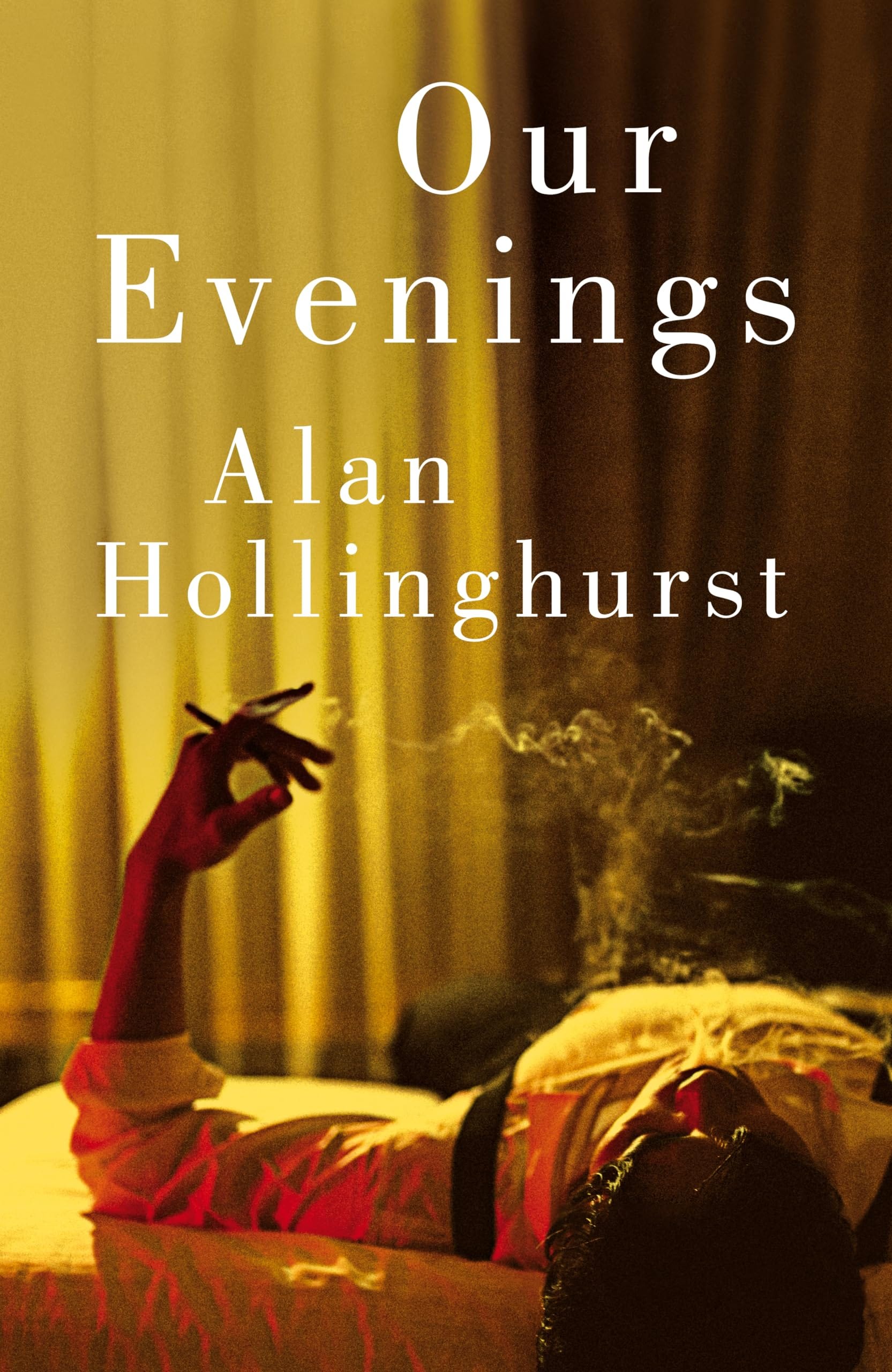
Alan Hollinghurst: Our Evenings (2024)
There is something wonderfully old fashioned and English in Hollinghurst’s novels. He paints a beautiful image of the life of a Burmese-English actor from his boarding school years to the end of his career. As in his other books, the way society changes around different generations of gay men is prominent throughout the novel while it also addresses questions of class, race and ideology in the UK from the 1960s to today.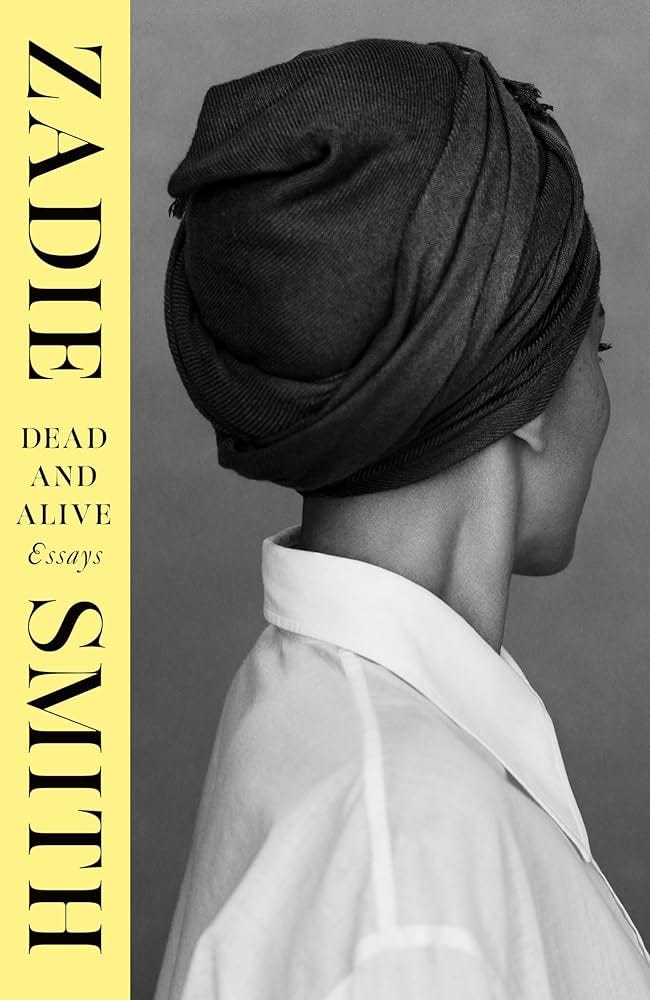
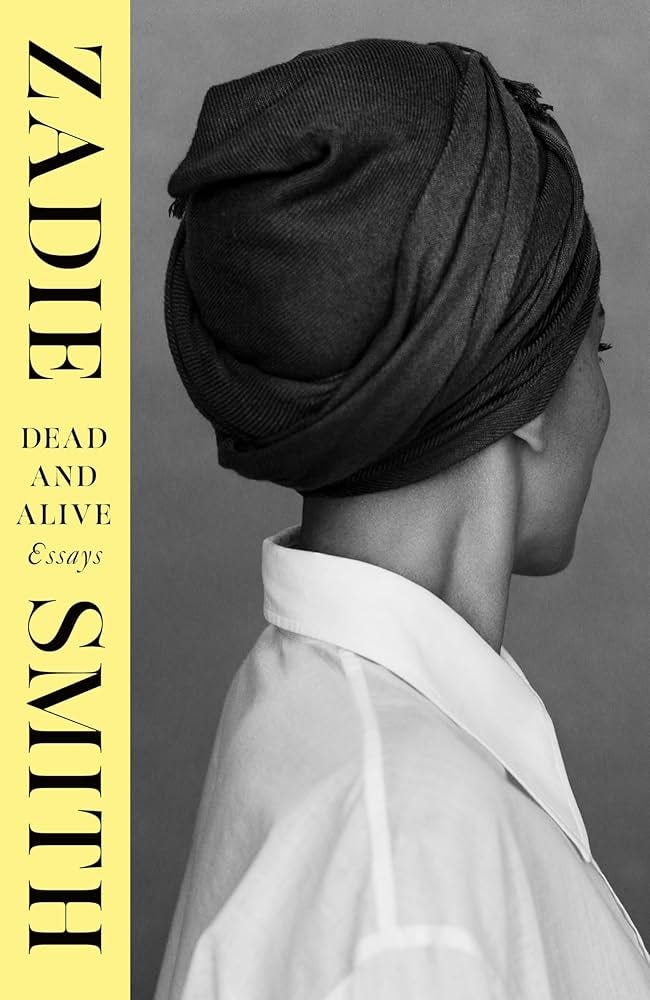
Zadie Smith: Dead and Alive (2025)
If you ask me, Zadie Smith as an essayist is in the same league as Maggie Nelson. I have underlined sentences from every second page. Just look at this:
“Power dominates, but art proliferates - and not always along the lines that power dictates. For art, unlike power, can never be wholly unidirectional, artists themselves being at once too voracious and impure in their methods. Whether members of dominant or subjected communities, they will prove capable of appropriation, hybridization, adaptation. To put it another way, while the master isn’t looking, many interesting things will be made with his tools.”
She often starts from a personal experience or a detail, broadens our perspective and then brings us back to learning something new. Her voice is always personal and, like great authors, she does not spare herself. This collection ranges from takes on contemporary museums to letters to Joan Didion.